The shift towards remote working and the continuous expansion of urban public transit networks have fundamentally altered how city dwellers commute. Many households that previously relied on two cars are discovering that their second vehicle rarely leaves the driveway. Initially, keeping the spare car feels like a comforting safety net for weekend trips or emergencies. Over time, however, the reality of urban vehicle ownership sets in. That stationary car transforms from a convenient backup into a relentless financial drain. Analysing the true economic cost of a severely underused vehicle reveals exactly why liquidating it is a highly intelligent financial strategy for modern urban residents.
Every vehicle carries a baseline cost of ownership simply to exist legally on your property. Even if the car only drives fifty kilometres a month, the owner is still liable for annual registration fees and mandatory insurance coverage. In many major cities, basic liability insurance for a secondary car can easily run into thousands of rupees a year. Furthermore, cars suffer from mechanical atrophy when they are not driven regularly. The battery loses its charge, the brake rotors accumulate deep rust, and the rubber seals dry out and crack. You end up paying significant repair bills just to pass the annual roadworthiness inspection, sinking money into a machine that provides absolutely no daily value to your household.
When a second car eventually suffers a major mechanical failure, owners often leave it parked, unwilling to pay for the expensive repairs but reluctant to sell it. This indecision accelerates the depreciation of the vehicle. The salvageable metals and components begin to weather and degrade. The smart financial move is to recognise the shift in your lifestyle and stop the financial bleeding immediately. When you rely primarily on trains, buses, or cycling, the dead car is nothing more than tied-up capital sitting in your front yard. Converting that rusting metal back into liquid cash is the most rational step you can take to improve your monthly household budget.
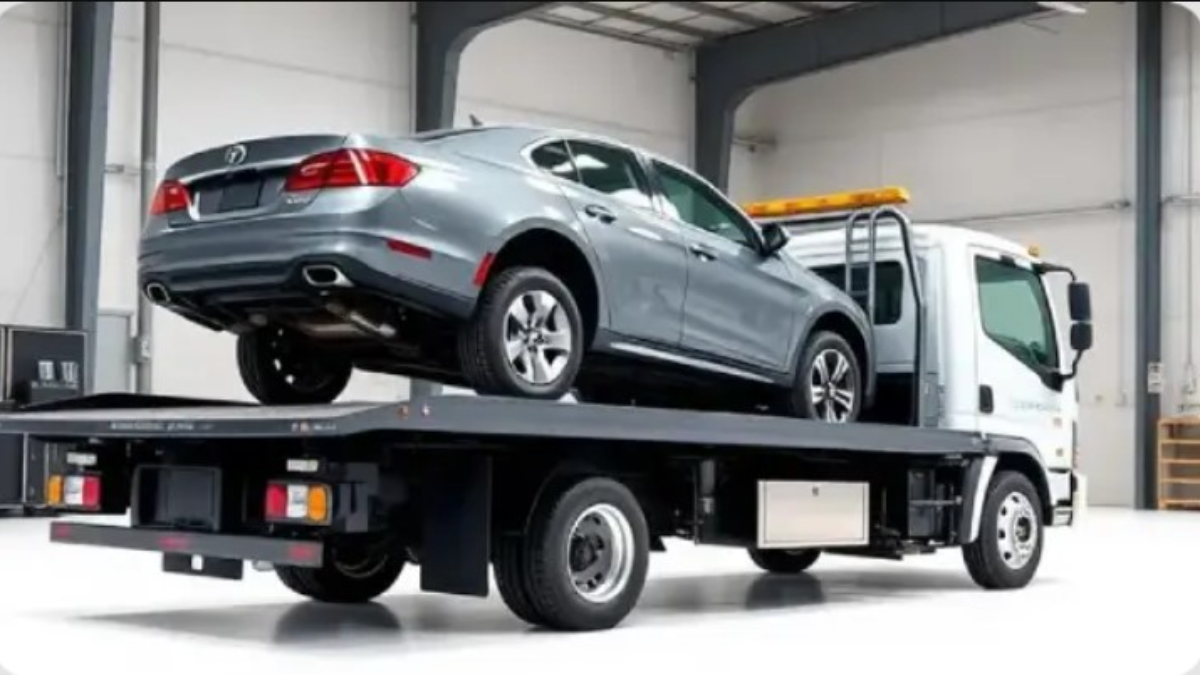
The liquidation process is highly efficient and designed to maximise the return on the raw materials locked inside the car. By contacting a specialist to Scrap my car Toronto, you initiate a straightforward financial transaction. Professional evaluators assess the weight of the ferrous and non-ferrous metals, along with the value of the catalytic converter, offering a payout that accurately reflects the current industrial recycling market. The vehicle is collected quickly from your property, requiring zero effort on your part. This fast transaction instantly eliminates the recurring costs of insurance and registration, freeing up significant room in your monthly budget for investments or savings.
The environmental mathematics of this decision are equally compelling. Manufacturing a single new car generates a massive carbon footprint, requiring extensive mining for iron ore, aluminium, and precious metals. By supplying your unused vehicle to an authorised treatment facility, you are feeding high-grade steel directly back into the production cycle. This recycled steel requires significantly less energy to purify and repurpose. You are effectively reducing industrial emissions while simultaneously cleaning up your personal living space. The materials from your old commuter car will go on to form the framework of new, energy-efficient appliances or infrastructure projects.
Committing to a transit-oriented lifestyle brings profound financial clarity. You no longer have to worry about the unpredictable costs of fuel, sudden mechanical failures, or parking permits. The driveway is cleared, offering space for a garden or secure bicycle storage. The capital recovered from the scrapped vehicle provides a substantial lump sum that can easily cover a year's worth of public transit passes. Shedding the financial weight of an obsolete second car is a liberating experience that perfectly matches your household spending with your modern, efficient urban lifestyle.
Conclusion
Keeping a secondary car that rarely drives is a constant drain on your household finances through insurance, registration, and deterioration repairs. Liquidating this stationary asset provides an immediate cash return while entirely stopping the ongoing costs of ownership. Shifting to public transit and recycling the unneeded vehicle is a highly profitable strategy for urban residents looking to maximise their budgets.
Call to Action
Turn that unused second car into cash you can actually use. Reach out to our professional appraisal team today to secure a competitive market rate and schedule a free collection.
Visit: https://toogood2scrap.ca/
Welcome! Please select the ticket you would like to purchase.
Tickets unavailable at this time.
The shift towards remote working and the continuous expansion of urban public transit networks have fundamentally altered how city dwellers commute. Many households that previously relied on two cars are discovering that their second vehicle rarely leaves the driveway. Initially, keeping the spare car feels like a comforting safety net for weekend trips or emergencies. Over time, however, the reality of urban vehicle ownership sets in. That stationary car transforms from a convenient backup into a relentless financial drain. Analysing the true economic cost of a severely underused vehicle reveals exactly why liquidating it is a highly intelligent financial strategy for modern urban residents.
Every vehicle carries a baseline cost of ownership simply to exist legally on your property. Even if the car only drives fifty kilometres a month, the owner is still liable for annual registration fees and mandatory insurance coverage. In many major cities, basic liability insurance for a secondary car can easily run into thousands of rupees a year. Furthermore, cars suffer from mechanical atrophy when they are not driven regularly. The battery loses its charge, the brake rotors accumulate deep rust, and the rubber seals dry out and crack. You end up paying significant repair bills just to pass the annual roadworthiness inspection, sinking money into a machine that provides absolutely no daily value to your household.
When a second car eventually suffers a major mechanical failure, owners often leave it parked, unwilling to pay for the expensive repairs but reluctant to sell it. This indecision accelerates the depreciation of the vehicle. The salvageable metals and components begin to weather and degrade. The smart financial move is to recognise the shift in your lifestyle and stop the financial bleeding immediately. When you rely primarily on trains, buses, or cycling, the dead car is nothing more than tied-up capital sitting in your front yard. Converting that rusting metal back into liquid cash is the most rational step you can take to improve your monthly household budget.
The liquidation process is highly efficient and designed to maximise the return on the raw materials locked inside the car. By contacting a specialist to Scrap my car Toronto, you initiate a straightforward financial transaction. Professional evaluators assess the weight of the ferrous and non-ferrous metals, along with the value of the catalytic converter, offering a payout that accurately reflects the current industrial recycling market. The vehicle is collected quickly from your property, requiring zero effort on your part. This fast transaction instantly eliminates the recurring costs of insurance and registration, freeing up significant room in your monthly budget for investments or savings.
The environmental mathematics of this decision are equally compelling. Manufacturing a single new car generates a massive carbon footprint, requiring extensive mining for iron ore, aluminium, and precious metals. By supplying your unused vehicle to an authorised treatment facility, you are feeding high-grade steel directly back into the production cycle. This recycled steel requires significantly less energy to purify and repurpose. You are effectively reducing industrial emissions while simultaneously cleaning up your personal living space. The materials from your old commuter car will go on to form the framework of new, energy-efficient appliances or infrastructure projects.
Committing to a transit-oriented lifestyle brings profound financial clarity. You no longer have to worry about the unpredictable costs of fuel, sudden mechanical failures, or parking permits. The driveway is cleared, offering space for a garden or secure bicycle storage. The capital recovered from the scrapped vehicle provides a substantial lump sum that can easily cover a year's worth of public transit passes. Shedding the financial weight of an obsolete second car is a liberating experience that perfectly matches your household spending with your modern, efficient urban lifestyle.
Conclusion
Keeping a secondary car that rarely drives is a constant drain on your household finances through insurance, registration, and deterioration repairs. Liquidating this stationary asset provides an immediate cash return while entirely stopping the ongoing costs of ownership. Shifting to public transit and recycling the unneeded vehicle is a highly profitable strategy for urban residents looking to maximise their budgets.
Call to Action
Turn that unused second car into cash you can actually use. Reach out to our professional appraisal team today to secure a competitive market rate and schedule a free collection.
Visit: https://toogood2scrap.ca/